
The Quiet Way Plants Sip Water: Explained Simply
From root to leaf, a quiet journey of water explained simply for curious minds.
NATURE & CURIOSITY
Meera
10/6/20253 min read
From Root to Leaf: How plant hydrate themselves?
Plants don’t sip from mugs or slurp through straws. They don’t ask for water, yet they drink it every day silently, gracefully, through a process that’s both scientific and quite wondrous. Whether it’s a towering tree or a tiny sprout in your windowsill, every plant has its own way of staying hydrated. Let’s follow the path water takes, from the soil to the leaf tip, and uncover the quiet magic behind it.


Step 1: Roots Reach Out Like Thirsty Fingers
Beneath the surface, a plant’s roots stretch and explore. These roots aren’t just anchors; they’re the plant’s drinking straws. Covered in tiny root hairs, they increase surface area and help absorb water from the surrounding soil.
This water enters the roots through osmosis; a process where water moves from where there’s more of it (moist soil) to where there’s less (inside the root cells).
Think of dipping a dry sponge into a puddle. The water flows in naturally, without squeezing or effort.
That’s osmosis: quiet, automatic, and beautifully efficient.


Step 2: Water Climbs Through the Xylem
Once inside the roots, water begins its upward journey through the plant’s stem. It travels through special tubes called xylem, which act like tiny elevators made of plant tissue. But how does water defy gravity and climb?
Thanks to capillary action, water can move upward through narrow spaces. It happens because water molecules stick to the sides of the xylem tubes (adhesion) and to each other (cohesion).
Imagine dipping the corner of a paper towel into a glass of water. Watch how the water climbs upward. That’s capillary action.
And cohesion? It’s like water molecules holding hands, pulling each other up in a gentle chain.
Together, these forces help water rise through the plant, no pumps, no pressure, just quiet teamwork.


Step 3: Leaves Use the Water for Food
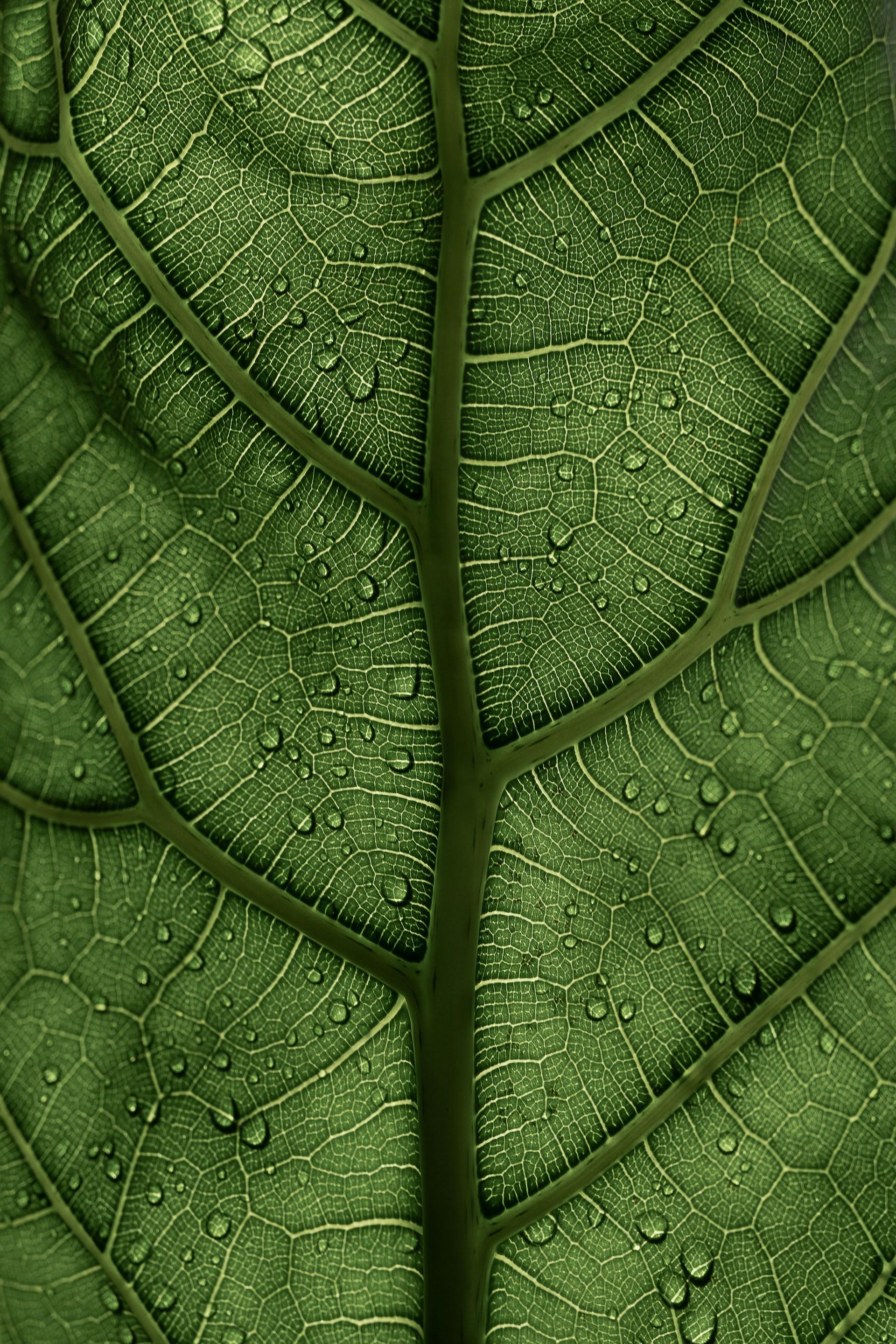
When water reaches the leaves, it becomes part of something magical: photosynthesis. This is how plants make their own food using sunlight, carbon dioxide, and water. The water helps convert light energy into sugars, which fuel the plant’s growth.
At the same time, tiny pores on the leaf surface called stomata release some of the water as vapor. This process is called transpiration, and it creates a gentle vacuum that pulls more water upward from the roots.
Think of a syringe: when you pull the plunger, it creates a vacuum that draws liquid up. In plants, the evaporating water acts like that plunger, keeping the flow going.
It’s a cycle of nourishment and release like breathing, but leafy.


Plants drink without noise, without movement, without asking. They do it through invisible pathways and ancient rhythms. Every drop of water is part of a journey from soil to stem to leaf fueling life in the softest way.
Next time you water your favorite plant, imagine its roots waking up, its xylem whispering upward, and its leaves smiling in the sun. It’s science, yes but it’s also poetry. And it’s happening quietly, right beneath your fingertips.